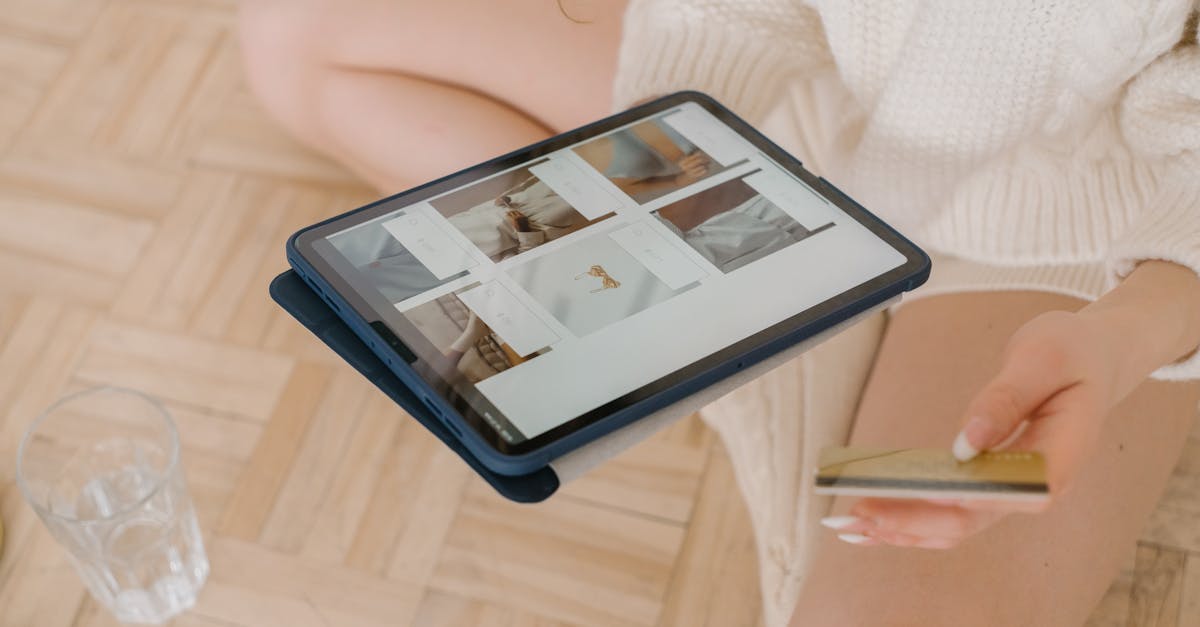
The Hidden Costs of Your Online Shopping Addiction That Nobody Talks About (And How I Broke Free)
For years, I was that person. You know, the one who had an almost pathological relationship with the ‘Add to Cart’ button. My mail carrier knew my first name, my recycling bin was perpetually overflowing with cardboard, and my apartment, despite constant decluttering attempts, always seemed to accumulate more stuff than I could ever organize. I wasn’t just buying necessities; I was buying experiences, potential future selves, and instant dopamine hits with every package notification. What started as convenience quickly morphed into a habit, then an addiction that silently drained far more than just my bank account.
I used to justify it. ‘It’s just a little treat,’ I’d tell myself. ‘I saved money by buying it on sale!’ Or, the classic: ‘I need this for that project I’m going to start next month.’ The truth, however, was far uglier. My online shopping wasn’t just eating into my savings; it was eroding my peace of mind, consuming my precious free time, and creating a perpetual state of low-grade anxiety about my cluttered home and diminishing financial security. Breaking free wasn’t about willpower alone; it was about understanding the insidious, hidden costs that nobody talks about.
Key Takeaways
- Online shopping addiction incurs significant hidden costs beyond just monetary spending, impacting mental health, home organization, and time.
- The constant anticipation and pursuit of new items can lead to ‘hedonic adaptation,’ making true satisfaction elusive and increasing anxiety.
- The environmental and social footprint of excessive consumption often goes unacknowledged, adding a layer of ethical discomfort.
- Breaking free requires a multi-faceted approach, including identifying triggers, implementing strict digital boundaries, and finding alternative sources of fulfillment.
The Mental & Emotional Toll: Why Instant Gratification Leads to Lingering Anxiety
Most people focus on the financial aspect of overspending, and while that’s a huge piece, the mental and emotional costs of online shopping addiction are, in my experience, far more corrosive. It’s a vicious cycle of chasing a high that never quite delivers. The momentary thrill of clicking ‘purchase’ or receiving a package is fleeting, quickly replaced by a dull anxiety about the item’s arrival, whether it meets expectations, and inevitably, the next thing to buy.
Think about the anticipation loop. For me, the process often started with endless browsing. Hours would disappear as I scrolled through curated feeds, comparing products, reading reviews, and envisioning a better life with each potential purchase. This constant state of yearning, followed by the temporary satisfaction of a purchase, primes the brain for continuous wanting. It’s a classic case of hedonic adaptation – we quickly get used to new possessions, and the joy they initially bring fades, forcing us to seek out the next new thing to feel that spark again. This creates a perpetual state of discontent, always looking for the next external fix rather than finding satisfaction in what you already have or in non-material pursuits.
Furthermore, there’s the mental clutter. Beyond the physical items, online shopping creates a significant cognitive load. I used to spend an embarrassing amount of time managing returns, tracking packages, and dealing with buyer’s remorse. Each notification, each email from a retailer, each package arriving at the door, was a tiny interruption, pulling my focus and chipping away at my mental energy. This constant state of low-level distraction makes it incredibly difficult to engage in deep work, truly relax, or be present with loved ones. It’s like having a thousand tiny tabs open in your brain, silently draining your processing power.
When I finally took an honest look, I realized the ‘treats’ I was buying weren’t making me happier; they were actively contributing to a sense of overwhelm and dissatisfaction. The fleeting high was always followed by the low of realizing the item didn’t transform my life, or worse, added another layer of clutter and buyer’s guilt. This cycle can severely impact self-esteem, leading to feelings of inadequacy and a constant quest for external validation through possessions.
The Invisible Drain on Your Home & Time: Beyond Physical Clutter
When you’re constantly acquiring, your home becomes more than just a living space; it becomes a storage unit, a sorting facility, and a source of perpetual low-level stress. The most obvious cost is physical clutter, but its implications run far deeper than just needing more storage.
Consider the opportunity cost of space. Every item you bring into your home occupies physical space, but it also takes up mental space. What could that space be used for instead? A cozy reading nook? A dedicated hobby area? A clearer surface for preparing meals? For years, my kitchen counters were perpetually covered with recently arrived ‘kitchen gadgets’ that promised to revolutionize my cooking but rarely got used beyond their initial novelty. That meant less space for actual cooking, more time spent shuffling things around, and ultimately, less joy in a room that should have been the heart of my home.
Then there’s the time suck. It’s not just the hours spent browsing. It’s the time spent managing the purchases. Unpacking, finding a place for new items, dealing with packaging, making returns, reorganizing to accommodate new items, cleaning around more items, even moving them when dusting. When you multiply these small tasks across dozens, if not hundreds, of purchases each year, the time truly adds up. I remember one weekend where I spent a full four hours just sorting through a backlog of packages and trying to find homes for the items, many of which I barely remembered ordering. That was four hours I could have spent with friends, pursuing a hobby, or simply relaxing. It was a stark wake-up call.
Finally, the aesthetic and functional degradation of your home. A home filled with too much stuff, even if ‘organized,’ rarely feels truly peaceful or functional. It impacts the flow, makes cleaning harder, and can even compromise safety. Pathways get narrower, surfaces become collection points, and rooms feel heavy and suffocating. The promise of an organized, beautiful home, often fueled by the very items I was buying, became an increasingly distant dream as more and more arrived.
The Environmental & Ethical Weight: Your Unseen Footprint
This is perhaps the ‘hidden cost’ that hit me the hardest once I truly acknowledged it. In our age of instant gratification, it’s easy to overlook the broader impact of every single click and purchase. We rarely connect the dots between that next-day delivery and its journey, but the implications are significant.
First, there’s the environmental cost of production and shipping. Every item, from a fast-fashion top to a new kitchen gadget, has a carbon footprint. It requires raw materials, energy for manufacturing, and packaging, often plastic. Then comes the shipping: planes, trains, and trucks burning fossil fuels, often for single items in oversized boxes, sometimes traversing continents. The sheer volume of online orders means an astronomical amount of resources are consumed and waste generated. My overflowing recycling bin was a constant, glaring reminder of my contribution to this problem – and often, much of what I was recycling wasn’t actually getting recycled, due to local facility limitations or contamination.
Beyond that, there’s the waste stream. What happens to all the packaging? What happens to the items themselves a few months or years down the line when the novelty wears off, or they break, or they simply don’t fit into your idealized life anymore? Far too often, they end up in landfills. The concept of ‘fast fashion’ has a direct parallel in ‘fast home goods’ or ‘fast gadgets’ – cheaply made, quickly consumed, and rapidly discarded. My apartment was a graveyard of broken promises and fleeting trends.
And then there’s the often-unseen ethical cost. While not directly related to the addiction itself, the ease of online shopping often divorces us from the labor practices and supply chains involved. Many cheap goods are produced under questionable conditions, with low wages and poor environmental standards. By prioritizing cheap and fast, we implicitly support systems that may be exploitative. Once I started researching this, the shiny appeal of a ‘great deal’ started to feel heavy with moral baggage.
Acknowledging these wider impacts was a crucial turning point for me. It transformed my shopping addiction from a personal failing into a broader ethical concern, giving me a much stronger motivation to change.
Reclaiming Your Life: My 3-Step Strategy to Break Free
Breaking free from the endless cycle of online shopping was not an overnight fix. It required a conscious, multi-pronged strategy that addressed not just the symptoms but the underlying reasons for my behavior. Here’s what finally worked for me:
1. Implement Strict Digital Boundaries (Not Just Willpower)
Willpower is finite. Relying solely on it is a recipe for failure. Instead, I focused on creating friction and removing temptation from my digital environment.
- Unsubscribe Ruthlessly: My email inbox was a daily assault of ‘new arrivals,’ ‘flash sales,’ and ‘limited-time offers.’ I spent a full hour one afternoon unsubscribing from every single retail email list. No exceptions. This dramatically reduced the immediate prompts to browse.
- Delete Shopping Apps: Those convenient one-click purchase apps? Gone. I deleted Amazon, Target, Nordstrom, you name it. The extra steps of opening a browser, typing in the URL, and logging in were often enough friction to make me pause and reconsider.
- Browser Extensions for Blocking: I installed website blocker extensions on my computer and phone, setting them to block known shopping sites during specific hours, or even entirely. Some days, I’d block them all day. This physical barrier was far more effective than just telling myself ‘no.’
- Review Your Social Media Habits: Instagram, Pinterest, TikTok – these platforms are designed to sell. I drastically reduced my time on these apps and unfollowed accounts that primarily showcased products or idealized lifestyles centered around consumption. This reduced inspiration for future purchases.
2. Track Everything: The Cold, Hard Data That Motivates Change
When you’re caught in the cycle, it’s easy to minimize the problem. Seeing the numbers in black and white was incredibly sobering and powerfully motivating.
- Manual Purchase Log: For one month, I kept a physical notebook (away from my computer) and wrote down every single online purchase. The item, the cost, and why I bought it (or thought I needed it). Seeing ‘Another cute top I don’t need’ listed multiple times was a wake-up call.
- Analyze Financial Statements: At the end of that month, I sat down and highlighted every online shopping transaction in my bank and credit card statements. The cumulative total was shocking. It made the abstract ‘I spend too much’ concrete and undeniable. I then extrapolated that for a year. The numbers were astronomical and deeply embarrassing, but necessary to confront.
- Inventory Your Home: This was painful. I went through closets, drawers, and storage bins and physically counted items in categories like ‘unworn clothes,’ ‘unused gadgets,’ ‘books I’ll never read.’ I assigned a rough estimated value to these items. Realizing how much money was literally collecting dust made me sick to my stomach, but it solidified my resolve.
3. Cultivate Alternative Sources of Fulfillment & Joy
Simply stopping a behavior isn’t enough; you need to replace it with something more fulfilling. This was the most enjoyable and transformative part of my journey.
- Rediscover Hobbies: I started intentionally blocking out time for activities I used to love but had neglected: reading physical books from the library, hiking, painting, cooking meals from scratch. These activities offered a deeper, more sustainable sense of satisfaction than any package ever could.
- Invest in Experiences, Not Things: Instead of buying another gadget, I redirected that money into experiences. A weekend trip with friends, a cooking class, concert tickets, or even just a nice dinner out. These created lasting memories and genuine connection, not fleeting dopamine hits.
- Mindful Consumption: When I genuinely needed something, I approached it differently. I’d research thoroughly, read ethical reviews, and consider local, secondhand, or sustainably made options first. This made each purchase feel intentional and meaningful, rather than impulsive and guilt-ridden. I also implemented a 48-hour rule: if I saw something I wanted, I had to wait two full days before buying it. 90% of the time, the urge passed.
- Connect with Real People: Shopping, for me, was often a solitary activity. I made a conscious effort to strengthen my existing relationships and forge new ones. Coffee dates, board game nights, volunteering – these human connections provided a sense of belonging and joy that no online purchase could ever replicate.
Breaking free from online shopping addiction is a journey, not a destination. But by systematically dismantling the habits, understanding the true costs, and replacing them with healthier, more fulfilling behaviors, I reclaimed my finances, my home, and most importantly, my peace of mind.
Frequently Asked Questions
Q: How do I know if I have an online shopping addiction, or if I just enjoy shopping?
A: The key difference lies in control and impact. If you frequently buy things you don’t need, spend more money than you intend, hide purchases from loved ones, feel anxious or guilty after shopping, or if your shopping habits interfere with your financial stability, relationships, or mental well-being, it’s likely veering into addiction territory. Enjoying shopping is when it’s occasional, affordable, and doesn’t cause negative consequences in your life.
Q: What’s the first step to take if I want to cut back on online shopping?
A: The very first step, in my experience, is to create friction. Start by unsubscribing from all retail marketing emails and deleting shopping apps from your phone. This removes the constant barrage of temptations and makes it slightly harder to make impulsive purchases. Confronting the true financial cost is also a powerful motivator.
Q: How can I manage the urge to browse online when I’m bored or stressed?
A: Boredom and stress are huge triggers. Develop a list of alternative, non-shopping activities you can turn to immediately. This could be reading a book, going for a walk, calling a friend, pursuing a hobby, or doing a quick meditation. The goal is to replace the unhealthy coping mechanism with a healthy one. Setting up website blockers on your devices can also prevent accidental browsing.
Q: What if I genuinely need to buy something online? How do I do it responsibly?
A: When a genuine need arises, make it an intentional process. Implement a ‘48-hour rule’ where you add an item to your cart and wait two full days before purchasing. During this time, research the item thoroughly, compare prices responsibly (without getting sucked into browsing other items), and consider local or secondhand options. Only buy what you truly need and avoid impulse add-ons.
Q: My home is overflowing with past online purchases. What should I do with it all?
A: Start small and be kind to yourself. Begin with a single drawer or shelf. Ask yourself: ‘Do I love this? Do I use this? Does it add value to my life?’ If not, consider donating, selling, or responsibly discarding the item. Recognize that letting go of an item you bought, even if unused, is part of breaking the cycle. Don’t let the guilt of past purchases prevent you from creating a clearer future.
Written by Sophie Reed
Home Organization & Decluttering
Sophie is an organizational guru who believes a tidy home leads to a tranquil mind, sharing clever storage hacks.
You Might Also Like

The Hidden Cost of a 'New' Dishwasher That Nobody Talks About (And Why I Bought Used Instead)
Discover the hidden costs of new dishwashers beyond the price tag, including installation, detergent inefficiency, and the surprising benefits of buying used.

Why Your Laundry Dries Stiff, Not Soft (And What Actually Works for Real Comfort)
Tired of crunchy towels and scratchy clothes? Discover the hidden culprits behind stiff laundry and effective solutions for lasting softness, from Clara Ellison.

Why Your Home Still Feels Stale (Even After Cleaning) — And What Actually Works for Real Freshness
Discover why your home's air quality remains stale despite regular cleaning, and learn effective, non-obvious strategies for true, lasting freshness.