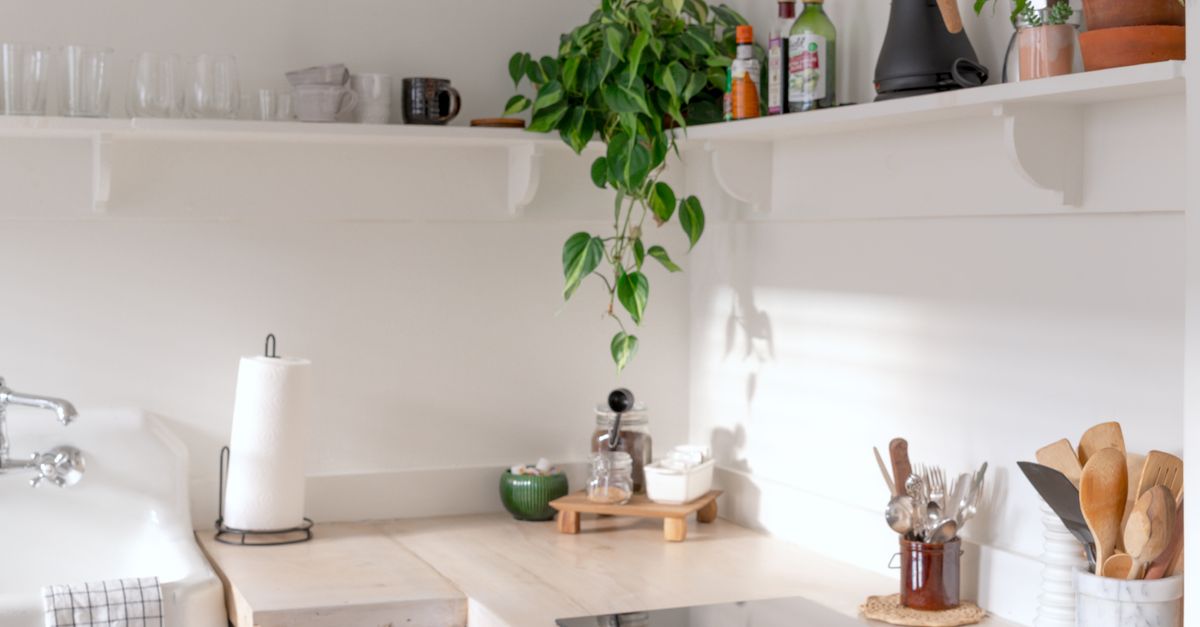
Why Your Bedroom Plants Are Dying (And The Counter-Intuitive Truth About What They Really Need)
You carefully chose that beautiful peace lily or snake plant for your bedroom, envisioning a fresh, vibrant oasis. You’ve watered it, given it prime window real estate, maybe even talked to it a little. Yet, weeks later, you’re looking at drooping leaves, brown tips, or worse, a completely shriveled husk. It’s frustrating, disheartening, and makes you wonder if you just have a ‘black thumb.’
I’ve been there. For years, my bedroom plant attempts ended in sorrow. I’d buy a gorgeous fiddle-leaf fig, follow every instruction to the letter, and still watch it slowly commit hari-kari. I was convinced my house was just a plant graveyard. Then, after years of trial and error and a deep dive into plant science (yes, it’s a thing!), I discovered a few counter-intuitive truths about indoor plants, especially those in our bedrooms, that changed everything. It turns out, many of our well-intentioned care methods are actually killing them, and what they really need is often the opposite of what we think.
This isn’t another generic ‘water less’ or ‘give more light’ list. This is about peeling back the layers of common misconceptions and revealing the subtle, yet critical, environmental factors and care routines that truly make bedroom plants thrive. Forget the ‘black thumb’ myth; it’s about understanding what your leafy friends are silently screaming for.
Key Takeaways
- Overwatering is a leading killer, often caused by inconsistent schedules rather than too much water at once.
- Low light is a more common issue than understood; even ‘low light’ plants need some indirect light to photosynthesize.
- Neglecting humidity, especially in bedrooms, can stress plants more than temperature fluctuations.
- The wrong pot and soil mixture can suffocate roots and prevent proper drainage, regardless of watering habits.
- Failing to recognize pest infestations early allows them to decimate your plants unnoticed.
The Silent Killer: Why Your Watering Routine is a Trap
Everyone knows overwatering is bad, right? But what most people don’t realize is why it’s bad, and how their well-intentioned, inconsistent watering routine is the real culprit. We often assume overwatering means literally pouring too much water into the pot. While that’s part of it, the deeper problem lies in the frequency and the suffocating effect on roots.
In my experience, the biggest mistake people make isn’t always giving too much water at one go, but watering too often without letting the soil dry out sufficiently. Plant roots need oxygen just like we do. When soil stays constantly saturated, the air pockets are replaced by water, effectively drowning the roots. This leads to root rot, a fungal disease that turns roots mushy and prevents them from absorbing any water or nutrients, ironically making your plant look like it’s underwatered as it wilts and dies. Many beginners then water more, convinced the plant is thirsty, accelerating its demise.
What changed everything for me was shifting from a schedule-based watering approach (e.g., ‘every Wednesday’) to a needs-based approach. This means checking the soil moisture, not the calendar. For most bedroom plants, especially those in standard potting mixes, the top 1-2 inches of soil (or even deeper for larger pots) should feel dry to the touch before you water again. Stick your finger in there! A moisture meter can also be a game-changer, giving you an objective reading. When you do water, water thoroughly until it drains from the bottom, ensuring all roots get a drink. Then, importantly, empty any standing water from the saucer to prevent root rot.
Another overlooked aspect is the quality of water. Tap water, especially in older homes, can contain chlorine, fluoride, and other minerals that build up in the soil over time and stress delicate roots. While not an immediate killer, it can contribute to long-term decline. Letting tap water sit out for 24 hours allows chlorine to dissipate. For particularly sensitive plants, using filtered water can make a noticeable difference.
The Light Lie: Even ‘Low-Light’ Plants Need More Than You Think
We’re often told certain plants are ‘low-light’ tolerant, perfect for bedrooms that don’t get much sun. While some plants, like snake plants (Sansevieria) and ZZ plants (Zamioculcas zamiifolia), can survive in dimmer conditions, very few thrive in genuinely low light. There’s a critical difference between surviving and thriving.
Photosynthesis, the process by which plants convert light energy into chemical energy, is fundamental to their existence. Even a ‘low-light’ plant still needs some indirect light to photosynthesize effectively. A common misconception is that a bedroom is ‘bright enough’ if you can read in it during the day. For plants, this is often insufficient. What feels bright to our eyes is often dim for a plant.
In my own home, I learned that a plant placed across the room from a north-facing window might be technically ‘low-light,’ but it will look weak, grow slowly, and be more susceptible to disease. The mistake I see most often is placing plants too far from any window. Even a plant labeled ‘low-light’ will appreciate being within a few feet of an indirect light source. An east-facing window is ideal for many bedroom plants, providing gentle morning sun. A north-facing window offers consistent, indirect light throughout the day. South and west-facing windows can be too intense without sheer curtains to diffuse the light.
If your bedroom genuinely lacks adequate natural light, a supplemental grow light is not ‘cheating,’ it’s giving your plant what it needs to live. Even a small, inexpensive LED grow light on a timer for 8-12 hours a day can make a world of difference for a struggling plant, promoting healthier growth and preventing the pale, leggy appearance that signals insufficient light.
The Hidden Humidity Drain: Why Your Bedroom Air is a Silent Killer
This is the hidden cost of our climate-controlled homes that nobody talks about enough for plants. Our bedrooms, especially during winter with heating or summer with air conditioning, tend to have significantly lower humidity levels than most tropical houseplants prefer. A room might feel perfectly comfortable to you at 40-50% humidity, but for a plant like a calathea or a fern, which thrives in 60-80% humidity, this is a desert.
When the air is too dry, plants lose moisture through their leaves faster than their roots can absorb it, a process called transpiration. This leads to crispy brown leaf edges, stunted growth, and increased susceptibility to pests like spider mites, which absolutely love dry conditions. I spent years battling browning tips on my prayer plants, convinced I was doing something wrong with watering, only to realize the air itself was the problem.
What changed everything for me was investing in a small, quiet humidifier specifically for my plant corner in the bedroom. Running it for a few hours a day, especially during dry seasons, transformed my plants. Misting can offer a temporary, superficial boost, but it evaporates quickly and often isn’t enough for true humidity lovers. Pebble trays (trays filled with pebbles and a shallow layer of water, ensuring the pot doesn’t sit directly in the water) can also provide a localized humidity increase as the water evaporates.
Consider grouping plants together. Plants naturally release moisture into the air through transpiration, so placing them in clusters can create a microclimate with slightly higher humidity, benefiting all members of the plant family. It’s a simple, elegant solution that leverages their natural processes.
The Potting Paradox: When Your ‘Perfect’ Planter is a Death Trap
We spend so much time picking the right plant, and then just plop it into whatever pot looks nice or happens to be available. But the pot, and more importantly, the soil, are absolutely critical to a plant’s survival. The wrong pot and soil combination can directly lead to overwatering, root suffocation, and nutrient deficiencies.
The most common mistake? Pots without drainage holes. This is a death sentence. Without a way for excess water to escape, water pools at the bottom, creating a stagnant, oxygen-deprived environment perfect for root rot. If you must use a decorative pot without drainage, always keep your plant in its nursery pot (with drainage holes) and place it inside the decorative one. Just be diligent about emptying any standing water after watering.
Material also matters. Terracotta pots are porous, allowing air and moisture to evaporate through the sides, which can be great for plants that prefer to dry out quickly (like succulents or snake plants). Plastic pots retain moisture longer, making them suitable for plants that prefer consistently moist soil (like ferns). Knowing your plant’s moisture preference should guide your pot choice.
Then there’s the soil. Most generic potting mixes are fine for a wide range of plants, but they can be too dense for some or not moisture-retentive enough for others. A dense soil that holds too much water will lead to root rot. A soil that drains too quickly won’t hold enough moisture for thirsty plants. The biggest mistake I made for years was using the same ‘all-purpose’ potting mix for every plant. This led to a very unhappy fiddle-leaf fig (which needs fast-draining soil) and a perpetually thirsty peace lily (which needs more moisture retention).
What actually works is customizing your potting mix. For most tropical plants, a good base is a mix of potting soil, perlite (for drainage and aeration), and coco coir or peat moss (for moisture retention). For succulents and cacti, add more perlite or sand for even faster drainage. Repotting every 1-2 years, or when the plant becomes root-bound, also gives you an opportunity to refresh the soil and check on root health. Don’t go too big with the new pot; only increase by 1-2 inches in diameter at a time, as too much new soil holds excess moisture around the roots.
The Unseen Enemy: Why You’re Ignoring Pests Until It’s Too Late
Bedroom plants often seem like they’re in a sterile, safe environment, free from the bugs of the garden. But in reality, common houseplant pests can thrive undetected in our homes, silently sucking the life out of our plants until it’s too late. The biggest mistake here is assuming ‘no visible bugs’ means ‘no bugs.’ Many common pests are tiny, hide well, or cause damage that mimics watering or light issues.
I vividly remember a spider mite infestation that wiped out half my plant collection because I initially dismissed the subtle yellowing and fine webbing as ‘dust’ or a nutrient issue. By the time I realized what it was, the population had exploded.
What changed everything for me was adopting a weekly plant inspection routine. This takes literally 2 minutes per plant. Look closely at the undersides of leaves, along stems, and in leaf axils (where the leaf meets the stem). Look for:
- Spider mites: Tiny red or black dots, often with super fine webbing. They love dry, low-humidity conditions.
- Mealybugs: Small, white, cottony masses, often in crevices. They suck plant sap, leading to yellowing and stunted growth.
- Aphids: Small, pear-shaped insects (green, black, orange), usually on new growth. They excrete sticky ‘honeydew.’
- Fungus gnats: Tiny black flies buzzing around the soil. The larvae feed on roots, especially in consistently wet soil.
Early detection is absolutely key. If you catch an infestation early, you can often control it with simple methods: a strong spray of water to dislodge them, wiping leaves with rubbing alcohol on a cotton swab (for mealybugs), or treating with insecticidal soap or neem oil (for more widespread issues). For fungus gnats, letting the soil dry out completely between waterings often breaks their life cycle. Systemic pesticides can also be used as a last resort, but prevention and early intervention are always best.
Bringing a new plant into your home is also a major vector for pests. Always quarantine new plants for 2-4 weeks in a separate room. This gives you time to observe for any hitchhikers before they can spread to your existing collection.
Frequently Asked Questions
Q: How do I know if I’m overwatering or underwatering?
A: The key is checking the soil. For overwatering, the soil will feel consistently wet, heavy, and often smell musty. Leaves might turn yellow or brown and feel soft, often accompanied by mushy stems. For underwatering, the soil will be completely dry and hard, and the pot will feel light. Leaves will often wilt, crisp up, or drop off, feeling brittle to the touch. The trick is to let the topsoil dry out, but not let the entire pot become bone-dry for most plants.
Q: What are the best ‘beginner-friendly’ plants that actually thrive in a bedroom?
A: My top recommendations, assuming some indirect light, are the Snake Plant (Sansevieria), ZZ Plant (Zamioculcas zamiifolia), Pothos (Epipremnum aureum), and Peace Lily (Spathiphyllum). These are generally forgiving of minor neglect, tolerate a wider range of light conditions (though they prefer bright, indirect light), and are relatively resistant to common pests. However, even these benefit from attention to proper watering and occasional humidity.
Q: Can my plants get too much light in a bedroom?
A: Yes, absolutely. Direct, intense sunlight, especially from a south or west-facing window without any diffusion, can scorch the leaves of many tropical houseplants, leading to brown, crispy patches. Even ‘bright light’ plants usually prefer indirect bright light. If your plant is too close to a harsh window, move it back a few feet or use sheer curtains to filter the light.
Q: Is it true that talking to plants helps them grow?
A: While there’s no scientific consensus that plants understand human language, studies suggest that the increased carbon dioxide from your breath can slightly benefit photosynthesis. More importantly, the act of talking to your plants often means you’re spending more time observing them, which leads to earlier detection of problems like pests or watering issues. So, while it might not be the words, the attention certainly helps!
Q: My plant leaves have brown tips. What’s wrong?
A: Brown leaf tips are a very common symptom with several potential causes. The most frequent culprits are low humidity (especially for tropical plants), inconsistent watering (both over and under-watering can cause it), and mineral buildup from tap water. Less common causes include nutrient deficiencies or too much fertilizer. Address humidity first, then review your watering habits, and consider using filtered water or letting tap water sit out.
Conclusion: You Don’t Have a Black Thumb, You Just Need Better Information
I used to believe some people were just naturally good with plants and others weren’t. My ‘black thumb’ was a source of constant frustration. What I learned, through many failed attempts and a lot of reading, is that plant care isn’t about magic; it’s about understanding their fundamental needs, which are often at odds with our assumptions or what popular, vague advice suggests. Your bedroom plants aren’t dying because you’re a bad plant parent; they’re dying because we often make well-intentioned mistakes rooted in misunderstanding their environment and biology.
By focusing on the counter-intuitive truths – checking soil moisture before watering, understanding that ‘low-light’ isn’t ‘no light,’ prioritizing humidity, ensuring proper drainage and soil, and adopting a proactive pest inspection routine – you can transform your bedroom into a thriving green sanctuary. Start with one plant, apply these insights, and watch it flourish. You’ll be surprised at how quickly your ‘black thumb’ turns emerald green.
Written by Clara Ellison
Home Decor & Styling
With two decades in interior design, Clara brings an expert eye for aesthetics and spatial harmony.
You Might Also Like
Why Your Bedroom Still Feels Stuffy (Even After Opening Windows) — And What Actually Works for Real Freshness
Stuffy bedroom even after opening windows? Discover the hidden culprits and expert tips for lasting fresh air in your sanctuary, beyond just ventilation.

The Hidden Cost of a 'Fresh' Paint Job That Nobody Talks About (And Why Off-Gassing Is Ruining Your Indoor Air Quality)
Discover the hidden health risks of VOCs in new paint and how off-gassing impacts indoor air quality. Learn strategies for a healthier, fresher home.

Why Your Bedroom Lacks Cohesion (And What Actually Works for a Harmonious Space)
Struggling with a bedroom that feels mismatched? Discover the hidden design mistakes causing visual chaos and what truly creates a cohesive, serene retreat.