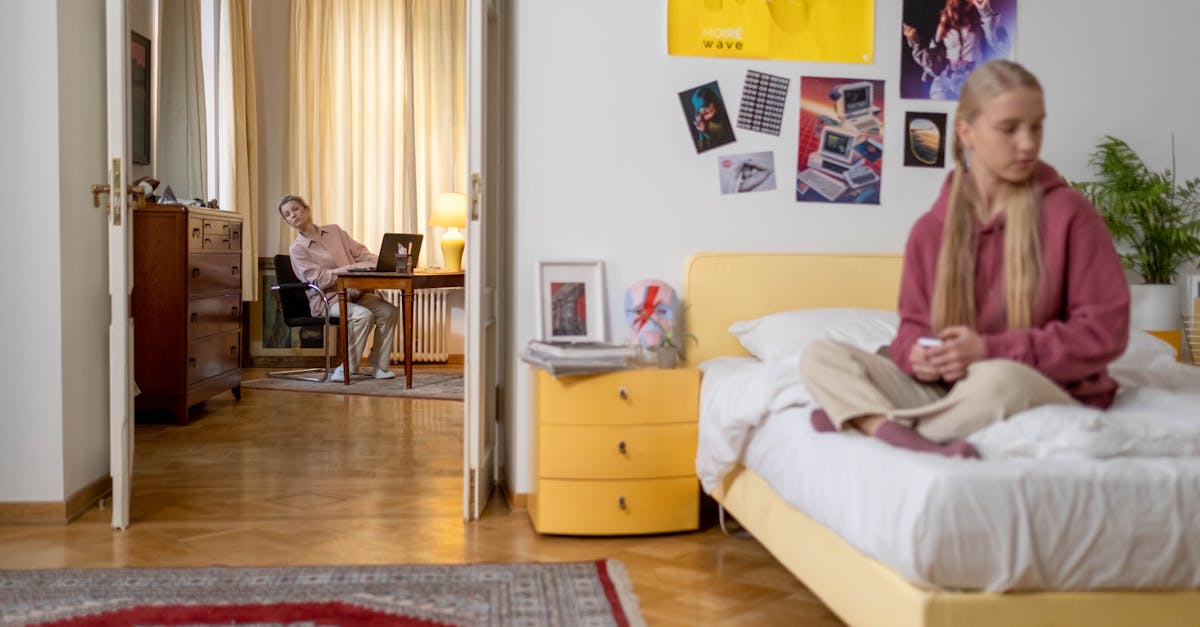
Why Your Bedroom Rug Feels 'Wrong' (And What Actually Works for a Cozy, Cohesive Space)
You’ve spent hours picking out the perfect bed frame, coordinating your bedding, and selecting art for your walls. You even found a rug that you thought would tie everything together. But when you finally roll it out in your bedroom, something just feels…off. It might be too small, the wrong color, or it simply doesn’t create the cozy, cohesive vibe you envisioned. You’re left wondering if the rug was even worth the investment, and your bedroom still feels unfinished, or worse, disconnected. This is a problem I see all too often, and it usually boils down to a few common misconceptions about how rugs actually function in a bedroom space.
Most people treat a rug as an afterthought, a decorative add-on. But in a bedroom, a rug is a foundational element. It defines zones, adds warmth underfoot, absorbs sound, and visually anchors your most important piece of furniture: your bed. Get it wrong, and your entire room feels unbalanced, no matter how beautiful the individual pieces are. The good news is, identifying the culprit and implementing a few strategic changes can transform your bedroom from ‘almost there’ to ‘absolutely stunning.’
Key Takeaways
- Prioritize rug size over pattern; a rug that is too small instantly makes a bedroom feel disjointed.
- The ideal rug extends at least 18-24 inches beyond the sides of your bed to visually anchor the space.
- Choose rug materials based on desired comfort, warmth, and ease of cleaning for a truly functional addition.
- Layering a smaller decorative rug over a large, neutral base rug can add personality and depth without sacrificing scale.
The Cardinal Sin: Choosing a Rug That’s Too Small
This is, without a doubt, the most common and most detrimental mistake I see in bedroom rug placement. A rug that’s too small makes your entire bedroom look like it’s floating in space, rather than anchored and cohesive. It’s like putting a postage stamp on a large envelope – it just looks undersized and out of place. I often walk into clients’ bedrooms where they’ve purchased a 5x7 or 6x9 rug for a queen or king-sized bed, and the rug barely extends past the foot of the bed, or worse, just sits awkwardly in the middle of the room.
The visual effect is jarring. Instead of creating a soft, expansive foundation, the small rug creates an isolated island. It cuts off the bed from the rest of the room, shrinking the perceived size of the space and making the room feel less luxurious and inviting. What you want is a rug that embraces the bed, extending out from its sides and foot, creating a generous soft landing for your feet.
What Actually Works: For a queen-sized bed, you generally need at least an 8x10 rug. For a king, a 9x12 or even a 10x14 is often ideal. The goal is for the rug to extend at least 18-24 inches (and ideally more for larger rooms) beyond the sides of your bed and past the foot of the bed. This creates a balanced, grounded look. Think of it as a soft halo around your bed, rather than a small doormat. If your room is very large, don’t be afraid to go even bigger – a rug that almost fills the room, leaving about 12-18 inches of exposed flooring around the perimeter, can make a space feel incredibly grand and cohesive.
Ignoring the Bed’s Placement: How to Visually Anchor Your Sleep Space
Beyond size, how you position the rug relative to your bed matters immensely. Many people simply plop a rug down at the foot of the bed, or center it in the room without considering its relationship to the bed itself. This often results in a disconnected feel, where the rug and the bed coexist in the same room but don’t actively work together to create a unified design.
In my own home, I made this mistake for years, centering a beautiful but ultimately too-small rug at the foot of my queen bed. While it added a pop of color, it didn’t do anything to enhance the feeling of coziness or define the sleeping area. My feet still hit the cold floor when I got out of bed, and the room always felt a bit sparse, even with other furniture.
What Actually Works: The most effective placement is to have the rug start under the bed. There are a few common layouts that work:
- Full Under-Bed Placement: The rug begins 6-12 inches from the headboard and extends under the entire bed, continuing out past the footboard by 18-24 inches. This is the most luxurious option, ensuring you step onto softness from all sides of the bed. This works best with larger rugs (9x12 for a queen, 10x14 for a king).
- Two-Thirds Under-Bed Placement: The rug starts about two-thirds of the way up the bed, typically right under where your nightstands end or just slightly past them. This means the rug extends under the lower two-thirds of the bed and out past the foot. This is a popular and versatile option for 8x10 or 9x12 rugs, as it still provides ample rug space on the sides and foot of the bed without being excessively large.
- Foot-of-Bed/Halfway Placement (with consideration): If you absolutely cannot accommodate a larger rug, or have specific furniture like a bench at the foot of the bed, you can place a rug starting from the halfway point or even at the very foot of the bed. However, this placement only works if the rug is still large enough to extend significantly beyond the sides of the bed as well as the foot, ensuring you still get that soft landing from the sides. A 5x7 rug in this position will almost always look too small unless it’s a very narrow bed. This is where a runner on each side of the bed can be a superior alternative to a small, ill-placed area rug.
The Material Mismatch: Prioritizing Looks Over Comfort and Function
While aesthetics are crucial, the material of your bedroom rug plays a massive role in how the room feels. Many people choose a rug purely for its pattern or color, only to find it’s scratchy, sheds excessively, or feels cold underfoot. A bedroom rug is one of the few places in your home where you’re regularly stepping onto it barefoot, often first thing in the morning or last thing at night. Comfort should be a top priority.
I once had a client who insisted on a beautiful, but very coarse, jute rug for her bedroom because she loved the natural look. Within weeks, she called me, complaining that it felt like sandpaper under her bare feet and was constantly shedding bits of fiber. The visual appeal was there, but the tactile experience completely undermined the cozy atmosphere she wanted.
What Actually Works: When selecting a bedroom rug, think about softness, warmth, and practicality.
- Wool: A classic for a reason. Wool rugs are incredibly soft, durable, naturally stain-resistant, and provide excellent insulation, making your room feel warmer. They can be an investment but last for decades.
- Viscose/Rayon Blends: These can mimic the sheen and softness of silk at a more affordable price point. They feel luxurious underfoot but can be less durable and more prone to staining than wool.
- Faux Sheepskin/Shag: For ultimate softness and warmth, a shag rug or faux sheepskin can be incredibly inviting, especially in smaller accent sizes placed strategically by the bed. However, they can be harder to clean.
- Cotton: More affordable and often machine washable (for smaller sizes), cotton rugs can add a casual softness. Look for thicker, woven cotton for better cushioning.
- Synthetic Fibers (Nylon, Polyester): Modern synthetics have come a long way. They can be very soft, durable, and highly stain-resistant, making them a great option for high-traffic bedrooms or homes with pets and kids. They’re also typically more budget-friendly.
Always consider a good quality rug pad underneath your rug. This not only prevents slipping but also adds an extra layer of cushioning, making even a thinner rug feel more luxurious underfoot, and extends the life of your rug by absorbing impact.
Missing the Mark on Color and Pattern Cohesion
Another common misstep is selecting a rug with a color or pattern that clashes with existing decor, or one that’s so dominant it overwhelms the room rather than complementing it. A rug should enhance, not compete with, your bedding, wall color, and other furnishings. I’ve seen vibrant, busy rugs fight with intricate wallpaper, or muted, cool-toned rugs make an otherwise warm room feel sterile.
One time, a friend bought a geometric patterned rug with very stark black and white lines, hoping it would add a modern touch to her serene, light-grey and blush bedroom. Instead, it became the focal point in an aggressive way, disrupting the peaceful ambiance and making the room feel restless.
What Actually Works: The goal is harmony. Your rug should integrate seamlessly into your existing color palette and design style.
- Neutral Foundation: When in doubt, a solid, neutral-colored rug (think creams, grays, soft beiges, muted blues) is always a safe and elegant choice. It provides a calming base that allows other elements, like bedding and artwork, to shine. This is especially true for larger rugs.
- Subtle Pattern: If you want pattern, opt for something subtle – a tone-on-tone design, a gentle texture, or a pattern with colors already present in your room. Avoid overly busy or high-contrast patterns unless you have a very minimalist room and want the rug to be a singular, bold statement.
- Complementary Colors: Pick a color for your rug that is already present in a small way in your room (e.g., a color from your throw pillows or a shade slightly darker/lighter than your wall color) or choose a complementary neutral. For example, if your bedding has warm undertones, a warm-toned rug will feel more cohesive. If your room leans cool, a cooler-toned rug will work well.
- Layering for Impact: If you love a bold pattern or color but worry about overwhelming the space with a large rug, consider layering. Place a large, neutral, foundational rug (like a plain wool or sisal) under the bed, and then layer a smaller, more decorative rug on top, positioned at the foot of the bed or even off-center, peeking out from one side. This adds visual interest without sacrificing the essential scale and grounding of the larger rug.
Neglecting the Overall Room Scale and Foot Traffic Patterns
Finally, many people forget to consider the broader context of the bedroom itself. A rug isn’t just for under the bed; it should play a role in the room’s overall flow and how you interact with the space. Do you have a seating area? A vanity? Where are the main pathways? An ill-placed or wrongly-sized rug can disrupt these elements.
For example, if you have a dresser and a reading chair along one wall, and your rug only covers the area under the bed, that other side of the room can feel neglected and cold, creating an unbalanced look. Or, if the rug awkwardly cuts off a main pathway, it can feel like a tripping hazard rather than an inviting element.
What Actually Works: Think about your bedroom as a series of zones and how the rug can help define or connect them.
- Consider Walkways: Ensure that the rug does not awkwardly stop or start in the middle of a common pathway. Ideally, a rug should extend far enough that any furniture that stands on it (like a bed, bench, or even nightstands) has all four legs on the rug, or at least the front two. This creates a visually cohesive furniture grouping. If the rug is too small, it’s better to have no furniture legs on it at all, creating clear separation, rather than an awkward ‘tiptoe’ effect.
- Room Size Dictates Scale: In a very large bedroom, a rug that nearly covers the entire floor (leaving 12-18 inches of exposed floor around the perimeter) can be incredibly grounding and luxurious. It visually reduces the vastness, making the room feel more intimate and warm. In a smaller bedroom, a rug that still extends well beyond the bed but doesn’t fill the entire room is often best to avoid making the space feel cramped.
- Multiple Rugs for Zones: For very large bedrooms or those with distinct ‘zones’ (e.g., a sleeping area, a seating area, a desk nook), consider using multiple rugs. A large rug under the bed to anchor the sleep zone, and a smaller, complementary rug to define a reading nook or seating area. Just ensure they complement each other in style and color, and don’t compete.
- Nightstand Placement: For the best visual cohesion, either have the rug extend fully under the nightstands, or stop before them. Having the rug partially under one leg of a nightstand and not the other, or stopping just short of them, looks messy and undefined. I personally prefer the rug to extend fully under the nightstands, as it creates a more expansive and intentional look, and also mutes any noise from objects placed on the nightstands (like a glass of water being put down).
By approaching your bedroom rug choice with intention, considering scale, material, color, and overall room flow, you can transform your space from ‘just a bedroom’ into a truly inviting, harmonious sanctuary.
Frequently Asked Questions
Q: Can I use two smaller rugs on either side of the bed instead of one large one?
A: Yes, this can be a great solution, especially for smaller bedrooms or if you already have beautiful flooring you want to showcase. Use two runners that are long enough to extend past the sides of your bed by at least 12-18 inches and are wide enough to feel substantial when you step on them. This ensures you still get softness underfoot when getting in and out of bed, without the commitment or cost of a large area rug.
Q: What if my bed is against a wall? How should I place the rug then?
A: If your bed is against a wall (often the case in smaller rooms or for daybeds), the principle of extending beyond the sides and foot still applies, but you’ll only be able to do so on three sides. Aim for the rug to extend at least 18-24 inches from the two exposed sides and the foot of the bed. If it’s a very tight space, prioritize extending past the sides and as much as possible past the foot, allowing for a soft landing as you exit the bed.
Q: Should my nightstands sit on the rug or off it?
A: For the most cohesive and luxurious look, I strongly recommend having your nightstands sit completely on the rug. This anchors the entire bed ensemble and makes the rug feel like an integral part of the space. If your rug isn’t large enough to fully accommodate the nightstands, it’s better to have the rug stop entirely before the nightstands begin, creating a clear separation, rather than having them awkwardly half on and half off.
Q: How do I clean my bedroom rug?
A: Regular vacuuming is essential to prevent dust and debris buildup. For wool or synthetic rugs, follow the manufacturer’s instructions for spot cleaning spills. For deeper cleans, professional rug cleaning is often recommended every 12-18 months, especially for natural fibers. Smaller cotton rugs may be machine washable, but always check the care label.
Q: Is it okay to have a rug on top of carpet in a bedroom?
A: Absolutely! Layering a rug over carpet can add warmth, texture, and visual interest, especially if your existing carpet is neutral or bland. It also defines the sleeping area more clearly. Choose a rug with a contrasting texture (e.g., a soft shag rug over a low-pile carpet) and ensure it’s large enough to still extend significantly beyond the bed. A non-slip rug pad is still recommended to prevent shifting, even on carpet.
Choosing the right rug for your bedroom isn’t just about finding a pretty piece; it’s about making a strategic design decision that impacts the comfort, balance, and overall feel of your most personal space. By avoiding the common pitfalls of inadequate size, poor placement, material mismatches, and neglecting the room’s overall scale, you can transform your bedroom into the cozy, cohesive sanctuary you deserve. Start by measuring, then prioritize comfort, and finally, select a design that harmonizes with your vision. Your bare feet (and your sleep) will thank you for it.
Written by Clara Ellison
Home Decor & Styling
With two decades in interior design, Clara brings an expert eye for aesthetics and spatial harmony.
You Might Also Like

Why Your Bedroom Still Feels Stuffy (Even After Opening Windows) — And What Actually Works for Real Freshness
Stuffy bedroom even after opening windows? Discover the hidden culprits and expert tips for lasting fresh air in your sanctuary, beyond just ventilation.

The Hidden Cost of a 'Fresh' Paint Job That Nobody Talks About (And Why Off-Gassing Is Ruining Your Indoor Air Quality)
Discover the hidden health risks of VOCs in new paint and how off-gassing impacts indoor air quality. Learn strategies for a healthier, fresher home.

Why Your Bedroom Lacks Cohesion (And What Actually Works for a Harmonious Space)
Struggling with a bedroom that feels mismatched? Discover the hidden design mistakes causing visual chaos and what truly creates a cohesive, serene retreat.