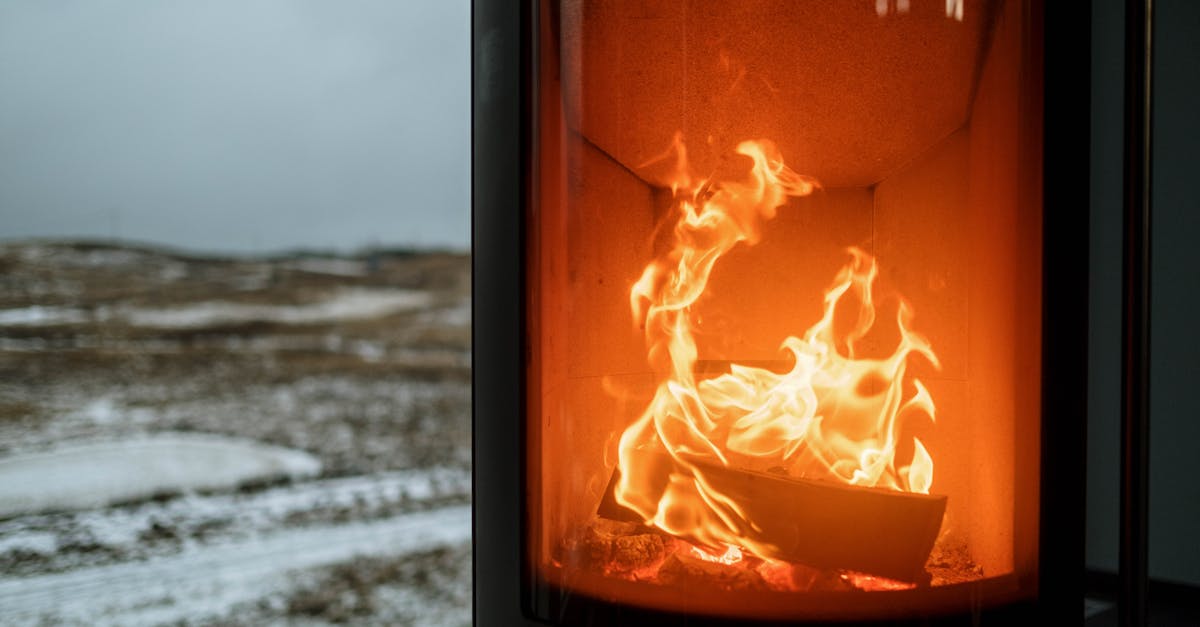
Why Your Home Always Feels Cold (Even With the Heating On) — And What Actually Works for Real Warmth
Does your home always feel like a drafty icebox, even when your thermostat is confidently ticking away at 72 degrees? You’ve cranked the heat, seen your energy bill soar, and yet you still find yourself bundled in blankets, questioning the very integrity of your HVAC system. It’s a frustrating scenario many homeowners face, and the common advice – seal leaks! or insulate your attic! – often only scratches the surface. In my experience, the persistent chill usually stems from a combination of subtle, overlooked factors that create a significant impact on your overall thermal comfort. It’s not just about the air temperature; it’s about how your home feels.
Key Takeaways
- Prioritize radiant heat sources like area rugs and thick curtains to create a perceived warmth that air temperature alone cannot provide.
- Address air stratification by using ceiling fans on low reverse settings to redistribute warm air from the ceiling downwards.
- Evaluate the thermal mass of your decor choices, opting for materials that retain heat to contribute to ambient warmth.
- Implement smart zoning strategies, even in homes without formal HVAC zoning, to efficiently heat occupied areas and reduce wasted energy.
The Illusion of Air Temperature: Why Your Thermostat Lies to You
Many of us equate warm home with high thermostat setting. But air temperature is only one piece of the comfort puzzle. In fact, a room at 70°F (21°C) can feel drastically different depending on surrounding surfaces and air movement. The mistake I see most often is relying solely on convective heat – the warm air blown from your vents – to solve a problem that’s often about radiant heat loss and cold surfaces. Think about standing outside on a sunny but cold day: the air is chilly, but the sun on your skin feels warm. That’s radiant heat at play. Inside your home, cold windows, uninsulated walls, or even a bare floor can act like giant cold sponges, absorbing your body heat and making you feel chilly, regardless of the air temperature. What changed everything for me was understanding that true warmth comes from minimizing radiant heat loss from your body to cold surfaces, not just heating the air around you.
One common culprit is air stratification. Warm air naturally rises, so while your thermostat (often placed at eye level) might read 70°F, the air near your feet could be significantly colder, and the air near the ceiling much warmer. This creates an uneven comfort zone, where your core feels fine but your extremities are freezing. I once consulted for a client whose living room felt perpetually cold, despite a high thermostat setting. We discovered that the ceiling, a full 10 feet up, was nearly 15 degrees warmer than the floor. Simply running their ceiling fan on a low reverse setting, gently pushing the warm air down, made an immediate and noticeable difference in perceived warmth without touching the thermostat. It’s a small, often overlooked trick that addresses the physics of heat.
Unseen Drafts and the Stack Effect: More Than Just Window Leaks
When people think drafts, they usually picture old, leaky windows. While those are certainly contributors, the most insidious drafts often come from places you wouldn’t expect, creating what’s known as the stack effect. This phenomenon occurs when warm air inside your house rises and escapes through leaks in the upper parts of your home (like the attic, recessed lighting, or plumbing vents), drawing in cold air from lower leaks (like the foundation, rim joists, or unsealed electrical outlets). It’s like a giant chimney effect for your house, constantly pulling in cold air from below.
In my own 1960s ranch house, I meticulously sealed every window and door, yet still felt a persistent chill. The game-changer wasn’t more caulk around the windows; it was a deeper dive into the attic bypasses. We found unsealed gaps around the chimney chase, poorly sealed openings for plumbing stacks, and shockingly, massive holes where old light fixtures had been removed and never properly patched. Sealing these significant air leaks in the attic floor, along with insulating the rim joists in the basement, made a dramatic difference. The volume of air movement was far greater from these hidden bypasses than from my relatively tight windows. Don’t just look for visible cracks; think about where your home connects vertically.
The Cold Embrace of Your Decor: When Aesthetics Betray Comfort
While open, airy spaces with minimalist decor are trendy, they can actively work against thermal comfort in a cold home. Materials have different thermal masses and emissivities – meaning some absorb and radiate heat differently than others. Large expanses of tile or hardwood flooring without rugs, thin curtains, and metal or glass furniture can all contribute to a feeling of coldness because they don’t retain heat well and radiate coolness back into the room.
I learned this lesson firsthand when I renovated my own living room. I loved the look of a sleek, modern space with polished concrete floors and floor-to-ceiling windows. Visually stunning, yes. Thermally comfortable in winter? Absolutely not. Even with the heat blasting, the room felt sterile and cold. What actually works is integrating materials that hold heat and block cold. I added a thick, wool area rug, replaced sheer blinds with thermal-backed linen curtains, and swapped a glass coffee table for a solid wood one. These changes didn’t just add warmth to the decor; they literally changed how the room felt. The rug provided a warm surface underfoot, the curtains insulated the largest cold surface (the window), and the wood furniture absorbed and slowly released ambient heat, contributing to a more stable room temperature. Think about your decor as thermal insulation and mass.
HVAC Imbalance and Oversized Systems: The Silent Energy Hogs
Often, a home feels cold because the heating system isn’t distributing heat effectively or is simply the wrong size for the space. An oversized furnace might seem like a good idea (more power, right?), but it actually cycles on and off too frequently (short-cycling), failing to properly heat the air and remove humidity. This leads to hot and cold spots and reduces overall efficiency. Conversely, an undersized system will run constantly but never quite reach the desired temperature, leading to high bills and persistent chill.
Beyond sizing, imbalanced airflow is a huge factor. Are some rooms always freezing while others are stifling? This could be due to clogged or leaky ducts, closed or blocked registers, or simply a poorly designed duct system. For one project, we discovered the main bedroom was always cold because a significant portion of its ductwork ran uninsulated through a frigid crawl space, losing most of its heat before it even reached the register. Insulating the ducts and balancing the airflow using professional tools (not just closing registers randomly) made that room finally comfortable. What actually works is a professional HVAC audit to assess sizing, duct integrity, and airflow balance. It’s an investment, but it uncovers issues that no amount of thermostat tweaking will fix.
Mastering Microclimates: Zone Heating Without the Expense
Most homes aren’t zoned with separate thermostats for different areas, which means you’re often heating unoccupied spaces to the same temperature as occupied ones. This is incredibly inefficient and contributes to the feeling of coldness in rooms where heat is constantly escaping without anyone there to appreciate it. The solution isn’t always a costly multi-zone HVAC system; it’s about creating microclimates and heating smarter.
For example, if your living room is used primarily in the evenings, use smart plugs with space heaters (safely!) to pre-heat that specific area before you enter it. In a home with a perpetually cold office, I advised a client to use a well-placed infrared panel heater on the wall. Unlike traditional space heaters that primarily warm the air, infrared heaters directly warm objects and people in their line of sight, creating a bubble of warmth without needing to heat the entire room to a high temperature. It’s a targeted, efficient way to make a single person comfortable in a larger, cooler space. Also, consider smart thermostat scheduling to lower temperatures in unused areas or during off-peak hours, allowing you to focus heat where and when it’s truly needed. This allows you to feel warmer in the spaces you inhabit most, even if the overall house temperature is slightly lower.
Humidity’s Role in Perceived Warmth: It’s Not Just About Dry Air
When the air in your home is too dry, it can make 70°F feel more like 65°F. Dry air actually wicks moisture from your skin more rapidly, which leads to evaporative cooling, making you feel colder. Additionally, dry air can cause static electricity, dry skin, and even damage to wooden furniture and musical instruments. Conversely, maintaining an optimal indoor humidity level (typically between 40-50%) can significantly improve perceived warmth and overall comfort without having to raise the thermostat.
I discovered this subtle but powerful factor in my previous apartment, which had an older heating system that baked the air dry. Despite the thermostat being set high, I always felt a chill. The solution wasn’t to crank the heat higher (which would only dry the air more), but to introduce a whole-house humidifier attached to the furnace. For those without central humidification, strategic use of portable humidifiers in key living areas can make a world of difference. It’s a counter-intuitive truth that often gets overlooked: sometimes, the solution to feeling warmer isn’t more heat, but more humidity. The moist air holds heat better and reduces the evaporative cooling effect on your skin, allowing you to feel genuinely more comfortable at a lower temperature setting. This not only makes you feel warmer but can also save you money on your heating bill.
Frequently Asked Questions
Q: My furnace is new, but my home still feels cold. What could be the issue?
A: A new furnace doesn’t guarantee comfort if other factors are at play. It could be an issue with improper sizing (an oversized furnace can short-cycle, leading to uneven heating), leaky or uninsulated ductwork losing heat before it reaches rooms, significant air leaks in the building envelope (especially in the attic or foundation, causing the stack effect), or a lack of proper insulation. Also, consider the radiant heat loss to cold surfaces from windows and floors. A professional energy audit can pinpoint these specific issues.
Q: Can closing vents in unused rooms help make other rooms warmer?
A: While it seems logical, closing too many vents can actually be detrimental. It can create back pressure in your duct system, reducing overall airflow and potentially damaging your HVAC system over time. More importantly, it won’t necessarily make other rooms warmer if the issue is radiant heat loss or significant air leaks. Instead, focus on sealing air leaks, improving insulation, and addressing overall system balance. If you have a zoned system, that’s designed for closing vents, but most standard systems are not.
Q: Are smart thermostats truly effective in keeping my home warmer and saving money?
A: Yes, a smart thermostat can be highly effective, but not in isolation. Its strength lies in its ability to learn your habits, optimize schedules, and offer zone control (if your system supports it). However, it cannot compensate for fundamental issues like poor insulation, major air leaks, or an improperly sized HVAC system. When combined with an optimized building envelope and a well-maintained heating system, a smart thermostat can significantly improve comfort and energy efficiency by ensuring heat is applied strategically when and where it’s needed most.
Q: How much impact do thick curtains and area rugs really have on warmth?
A: A significant impact! Thick, thermal-backed curtains act as an insulating layer against cold windows, reducing radiant heat loss from your body to the glass and blocking drafts. Area rugs, especially those with thick padding, insulate cold floors and provide a warm surface underfoot, preventing heat from escaping through the floor and stopping the chilling effect of cold surfaces radiating coolness upwards. These decor choices directly address radiant heat transfer, which is a key component of perceived warmth, often more effectively than just raising the air temperature.
Q: I’ve sealed visible drafts and insulated my attic. What’s next for finding hidden cold spots?
A: If visible drafts and attic insulation haven’t fully solved the problem, consider a professional blower door test and thermal imaging scan. A blower door test depressurizes your home to exaggerate air leaks, making them easier to find. Thermal imaging, especially useful on a cold day, can visually identify cold spots behind walls, around electrical outlets, in uninsulated sections, or where cold air is infiltrating. These tools go beyond what you can see with the naked eye and are highly effective at uncovering hidden culprits like rim joist leaks, plumbing stack penetrations, or poorly insulated wall cavities.
If your home still feels cold despite the heating being on, it’s a sign that the problem extends beyond a simple thermostat setting. From addressing hidden air leaks to leveraging the thermal properties of your decor and ensuring your HVAC system is functioning optimally, a holistic approach is key. By focusing on both air temperature and radiant comfort, you can transform your chilly house into a truly warm and inviting home. Start with a thorough assessment, prioritize overlooked areas like attic bypasses and humidity, and embrace smart zoning strategies. Your comfort (and your energy bill) will thank you.
Written by Clara Ellison
Home Decor & Styling
With two decades in interior design, Clara brings an expert eye for aesthetics and spatial harmony.
You Might Also Like
Why Your Bedroom Still Feels Stuffy (Even After Opening Windows) — And What Actually Works for Real Freshness
Stuffy bedroom even after opening windows? Discover the hidden culprits and expert tips for lasting fresh air in your sanctuary, beyond just ventilation.

The Hidden Cost of a 'Fresh' Paint Job That Nobody Talks About (And Why Off-Gassing Is Ruining Your Indoor Air Quality)
Discover the hidden health risks of VOCs in new paint and how off-gassing impacts indoor air quality. Learn strategies for a healthier, fresher home.

Why Your Bedroom Lacks Cohesion (And What Actually Works for a Harmonious Space)
Struggling with a bedroom that feels mismatched? Discover the hidden design mistakes causing visual chaos and what truly creates a cohesive, serene retreat.