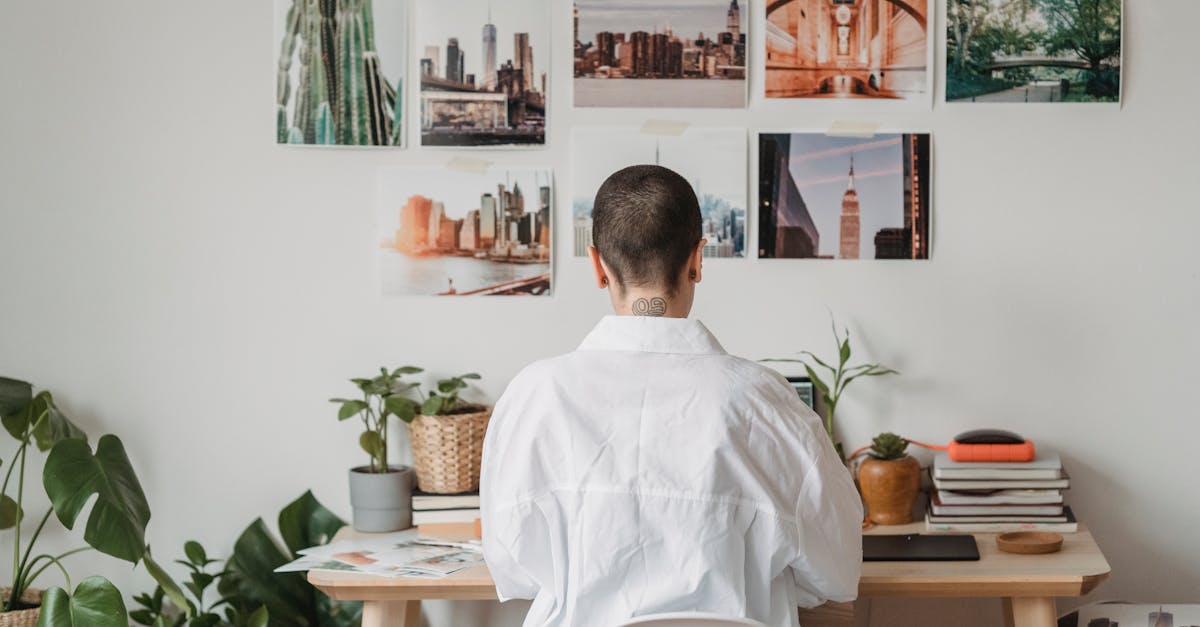
Why Your Home Office Feels Uninspiring (And How to Create a Space That Sparks Joy & Productivity)
Is your home office more of a glorified storage closet than a hub of creativity and focus? Do you find yourself constantly migrating to the kitchen table or the couch, only to be plagued by distractions? If your workspace feels dull, demotivating, or simply blah, you’re not alone. The mistake I see most often is treating the home office as an afterthought, stuffing it with leftover furniture and calling it a day. But a truly effective home office isn’t just functional; it’s a sanctuary that inspires your best work and reflects your personal style.
I’ve spent years transforming uninspired nooks into vibrant, productivity-boosting spaces. What changed everything for me was realizing that an inspiring office isn’t about expensive furniture or trendy gadgets. It’s about intentional design choices that cater to your specific needs, minimize visual noise, and subtly influence your mood and motivation. Let’s dig into why your current setup might be falling short and what actually works to create a space where you genuinely want to work.
Key Takeaways
- Your uninspiring office likely suffers from functional disconnects and visual clutter, not a lack of expensive decor.
- Prioritize ergonomic comfort and strategic storage over aesthetics initially, as discomfort kills creativity.
- Harness the power of color psychology and natural light to create an environment that subtly boosts mood and focus.
- Integrate personal touches and natural elements deliberately to infuse joy and break monotony without adding clutter.
- Implement a regular ‘reset’ routine to maintain the inspiring environment and prevent burnout.
The Overlooked Power of Ergonomics (Beyond Just a Good Chair)
Many people think ‘ergonomics’ just means a fancy office chair. While a good chair is crucial, it’s only one piece of the puzzle. An uninspiring office often stems from a lack of physical comfort, which directly impacts your mental state and creative flow. If you’re constantly fidgeting, slouching, or straining, your brain is focused on discomfort, not on the task at hand. This subtle but constant drain on your energy is a huge productivity killer.
In my experience, the biggest ergonomic oversight is the desk setup. Most people simply plop a monitor on a desk, unaware of the optimal heights and distances. Your monitor should be at arm’s length, with the top third of the screen at eye level. This prevents neck strain. Similarly, your keyboard and mouse should be positioned so your forearms are parallel to the floor, with wrists straight. This often requires a keyboard tray or adjustable desk. The hidden cost of ignoring these details isn’t just physical pain, it’s a constant, low-level irritation that makes you dread sitting down to work.
What actually works is to conduct a mini-ergonomic audit of your entire setup. Start with your chair – is your lower back supported? Are your feet flat on the floor or on a footrest? Then move to your monitor, keyboard, and mouse. Consider investing in a monitor arm to easily adjust screen height and distance. If you use a laptop, an external monitor and keyboard are non-negotiable for sustained comfort. Even a small adjustment, like propping up your laptop on a few books to get the screen to eye level, can make a significant difference. Prioritize feeling comfortable and supported first; the aesthetics can follow.
The Silent Saboteur: Visual Clutter and Lack of Defined Zones
Your home office might be uninspiring not because it’s empty, but because it’s too full — full of visual noise that constantly vies for your attention. This isn’t just about physical mess; it’s about a lack of intentional organization that allows your eye to rest. When every surface is a landing strip for papers, pens, charging cables, and personal trinkets, your brain works overtime trying to process it all, leading to mental fatigue and a diminished sense of calm.
Another common issue is the absence of defined zones. If your office serves multiple purposes — work, storage, hobby space, guest room — without clear separation, it can feel chaotic. Your brain struggles to switch contexts when the boundaries are blurred. This mental friction makes it harder to settle into a productive mindset and makes the space feel less inviting for deep work.
What actually works is a ruthless approach to decluttering and creating distinct zones. Start by clearing everything off your primary workspace. Only bring back items you use daily. For everything else, implement smart storage solutions. Think vertical: wall-mounted shelves, drawer organizers, and attractive bins. If your office shares a dual purpose, use physical dividers like screens, tall bookshelves, or even a strategically placed plant to visually separate work from other activities. For example, I once worked with a client who transformed her office/guest room by using a beautiful folding screen to hide a pull-out bed during work hours, instantly changing the room’s psychological function. The goal is to create visual breaks and designate specific homes for everything, allowing your eyes and mind to relax and focus.
Harnessing the Power of Color, Light, and Nature
Beyond basic function, an inspiring home office subtly influences your mood and energy through its sensory environment. Many uninspiring offices suffer from bland color palettes, poor lighting, or a complete disconnect from the natural world. These elements might seem minor, but they play a significant psychological role in how you feel and perform in a space.
Color psychology is incredibly potent. Too many offices are painted in generic beiges or grays, which can feel sterile and unstimulating. Conversely, overly bright or saturated colors can be distracting. Natural light is another non-negotiable for inspiration. Offices relying solely on harsh overhead fluorescent lights lead to eye strain, headaches, and a general sense of malaise. Finally, a complete lack of natural elements – plants, wood, natural textures – deprives you of biophilic design principles that research shows reduce stress and improve cognitive function.
What actually works is to strategically leverage these elements. For color, consider calming blues or greens for focus and creativity, or soft whites with warm accents for a brighter, more expansive feel. A feature wall in an inspiring shade can be less overwhelming than painting the entire room. Maximize natural light by keeping windows unobstructed and using sheer curtains. Supplement with layered lighting: a bright overhead light for general tasks, a focused desk lamp, and an ambient light source like a floor lamp for warmth. Introduce plants – even one or two low-maintenance varieties can make a huge difference. Incorporate natural materials like a wooden desk accessory, a wool rug, or linen curtains. These intentional choices create an environment that feels alive, invigorating, and conducive to sustained concentration, without adding unnecessary clutter.
Infusing Personal Style (Without Creating Distraction)
An uninspiring home office often lacks personality, feeling generic and cold. However, the mistake I frequently see is people trying to inject personality by simply adding more stuff – more knick-knacks, more photos, more arbitrary decor – which quickly devolves into the visual clutter we just discussed. The goal isn’t just to add things; it’s to add meaningful things in a curated way that genuinely uplifts you without distracting from your work.
If your office feels like a temporary workspace rather than a dedicated haven, it’s probably because it doesn’t reflect you. When your surroundings don’t resonate with your identity, it creates a subtle sense of disconnect that prevents you from fully engaging with your space and, by extension, your work. This psychological distance makes it hard to feel truly inspired.
What actually works is to select a few key pieces that genuinely resonate and integrate them thoughtfully. Instead of covering your desk with photos, create a small, curated gallery wall nearby. Choose art that inspires thought or calm, rather than just filling a blank space. Display a couple of meaningful objects – perhaps a souvenir from a trip that sparks creativity, or a well-designed piece of stationery you genuinely love to use. Consider one statement piece of furniture, like a unique bookshelf or a vibrant accent chair, if space allows. Even your desk accessories can reflect your style – opt for a beautifully designed pen holder or a minimalist wireless charger. The key is intentionality: every item should either serve a clear function or bring you genuine joy, contributing to a cohesive aesthetic that speaks to your soul, rather than just adding noise.
The Power of a Daily Reset and Strategic Breaks
Even the most perfectly designed office can become uninspiring if not maintained, or if you succumb to burnout. A common reason for an office feeling constantly ‘off’ is a lack of a regular reset routine. We accumulate small messes, leave projects half-finished, and let digital detritus pile up, all of which subtly degrade the inspiring environment we’ve worked to create. Furthermore, many people power through their work without strategic breaks, leading to mental fatigue and a decreased ability to find inspiration even in a well-designed space.
Without a structured approach to maintaining order and recharging your mental batteries, your office will inevitably revert to a state of disarray and your own energy will deplete. This cycle perpetuates the feeling of an uninspiring workspace, as both the physical and mental environments become stagnant.
What actually works is to implement a daily 5-10 minute office reset. Before you close down for the day, take a few minutes to clear your desk, put away files, organize charging cables, and wipe down surfaces. This simple habit ensures you start each new workday with a clean slate, reducing mental friction and instantly boosting your sense of calm and control. Beyond the physical reset, schedule strategic breaks throughout your day. These aren’t just coffee breaks; they’re opportunities to step away from your screen, stretch, look out a window, or even take a short walk. In my own routine, I find that a 15-minute mid-afternoon walk around the block does more to refresh my perspective and spark new ideas than any amount of staring blankly at my computer. These regular infusions of movement and fresh perspective are crucial for maintaining mental clarity and keeping your inspiration flowing, allowing you to fully appreciate and thrive in your intentionally designed space.
Frequently Asked Questions
How can I make a small home office feel more inspiring?
In a small office, maximizing vertical space is key. Use wall-mounted shelves or floating desks to free up floor space. Opt for furniture with multiple functions, like an ottoman with storage. Use mirrors strategically to expand the visual space and reflect light. Stick to a light color palette to make the room feel larger and brighter, and introduce plants or art sparingly to avoid clutter, choosing pieces that truly resonate.
What are the best colors for a home office to boost productivity?
Colors like soft blues and greens are excellent for promoting calm and focus, which can enhance productivity. Light grays or warm whites can also create a serene backdrop. Avoid overly stimulating reds or oranges, which can be too distracting, or dull browns that might feel oppressive. Consider a pop of a vibrant color, like yellow or orange, in small accents for a touch of energy without overwhelming the space.
How can I incorporate plants into my home office without them dying?
Choose low-maintenance plants known for thriving indoors, such as snake plants, ZZ plants, Pothos, or succulents. Place them near a window if they require more light, but ensure they’re not in direct, harsh sun if they prefer indirect light. Don’t overwater; check soil moisture before watering again. A good rule of thumb is to water most indoor plants only when the top inch or two of soil feels dry. Start with just one or two plants to see how they fare in your specific environment.
Is it okay to have personal photos or decor in my home office?
Absolutely! Personal photos and decor can be incredibly inspiring and make your office feel like a truly personal sanctuary. The key is curation. Instead of scattering many items, choose a few meaningful pieces and display them thoughtfully. A small gallery wall with framed memories, a single piece of art that sparks joy, or a decorative object from a memorable trip can add personality without creating visual clutter. The goal is to uplift, not distract.
How often should I declutter my home office?
Ideally, a quick 5-10 minute declutter or ‘reset’ should be part of your routine at the end of each workday. This prevents clutter from accumulating. For a deeper declutter, aim for once a month to tackle paper piles, organize digital files, and reassess what you truly need in the space. A thorough annual purge allows you to re-evaluate furniture, decor, and overall flow, ensuring your office continues to support your evolving needs and keeps the inspiration flowing.
Your home office isn’t just a place to do work; it’s a vital component of your overall well-being and productivity. By moving beyond purely functional considerations and intentionally designing your space with ergonomics, strategic organization, mindful aesthetics, and personal touches, you can transform it from an uninspiring corner into a dynamic environment that fuels your passion and helps you thrive. Take one step this week: assess your ergonomic setup and make one small adjustment. You might be surprised by the ripple effect it has on your comfort and creativity.
Written by Clara Ellison
Home Decor & Styling
With two decades in interior design, Clara brings an expert eye for aesthetics and spatial harmony.
You Might Also Like
Why Your Bedroom Still Feels Stuffy (Even After Opening Windows) — And What Actually Works for Real Freshness
Stuffy bedroom even after opening windows? Discover the hidden culprits and expert tips for lasting fresh air in your sanctuary, beyond just ventilation.

The Hidden Cost of a 'Fresh' Paint Job That Nobody Talks About (And Why Off-Gassing Is Ruining Your Indoor Air Quality)
Discover the hidden health risks of VOCs in new paint and how off-gassing impacts indoor air quality. Learn strategies for a healthier, fresher home.

Why Your Bedroom Lacks Cohesion (And What Actually Works for a Harmonious Space)
Struggling with a bedroom that feels mismatched? Discover the hidden design mistakes causing visual chaos and what truly creates a cohesive, serene retreat.